
Custom Container House OEM: Design, Production & Global Delivery
Custom Container House OEM: Design, Production & Global Delivery
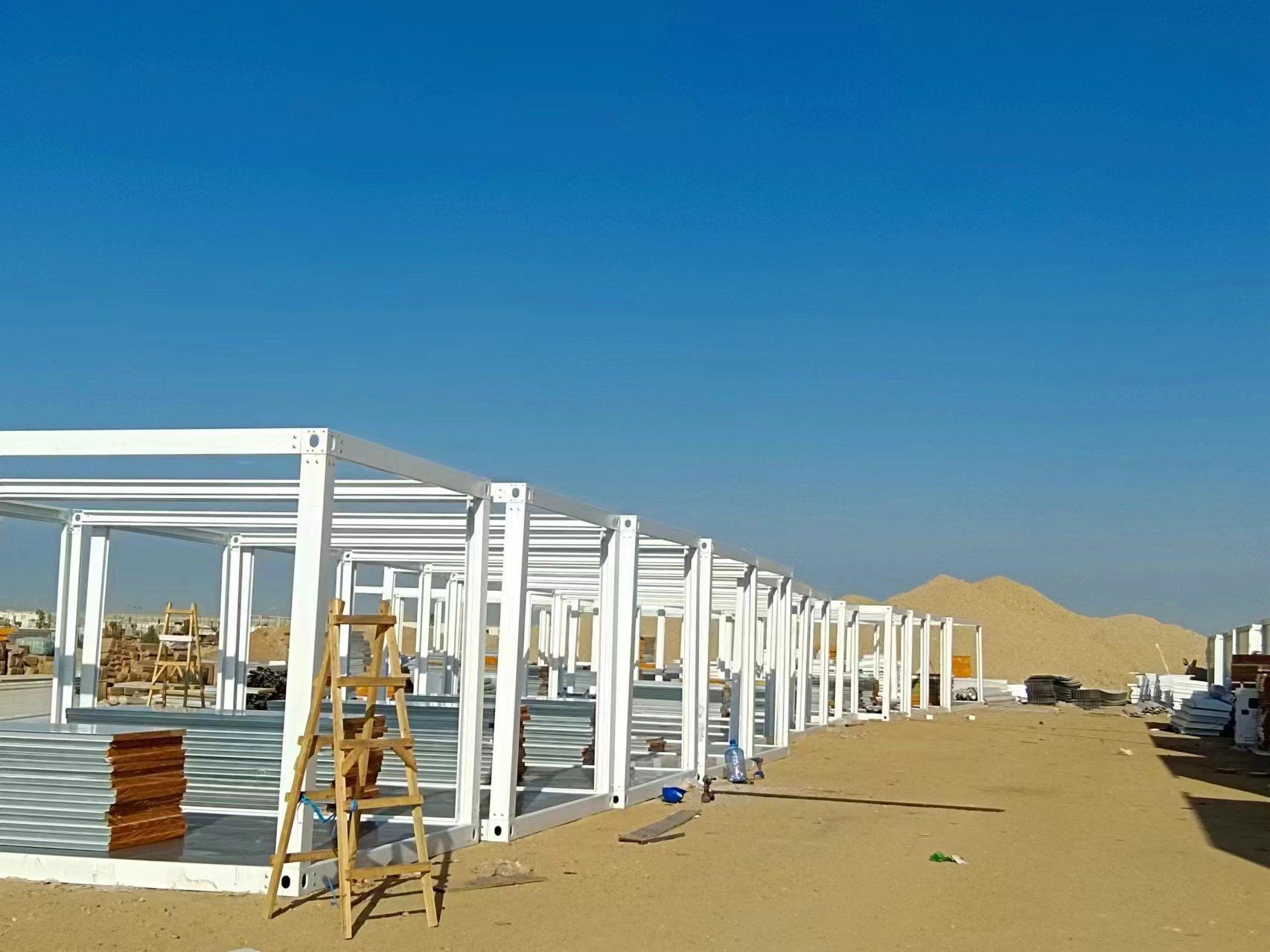
An OEM prefab container house project is more than a purchase order. It is a manufacturing process in which a factory builds a modular building according to the buyer's layout, materials, finishes, branding and delivery requirements. Guangzhou Aotian Import and Export Co., Ltd. (Aotian Modular House) is a China-based manufacturer of container houses, prefab homes and steel structure buildings. The company supports OEM and ODM production for prefabricated container houses, with a minimum order quantity of 1 unit, a standard production lead time of 30–45 days, and pre-shipment testing on each unit as part of its acceptance procedure.
Why Buyers Need an OEM Container House, Not Only a Product
Many procurement teams start with a standard unit, then discover that the project needs a specific floor plan, local electrical standards, climate-appropriate insulation, or a buyer-controlled brand. This is where OEM and ODM capability becomes important. OEM generally means producing to the buyer's specification, while ODM means the supplier provides design and production support. AOTIAN lists both production modes for prefabricated container houses.
Common complications in container house projects include unclear customization scope, missing site information, confusion between factory price and installed cost, and underestimating lead time. The solution is a supplier that treats every project as an engineered product, not a catalog selection.
Container House Market Context in 2024–2034
The global container homes market was valued at USD 66.05 billion in 2024 and is projected to reach USD 126.57 billion by 2034, with a compound annual growth rate of 6.72%, according to Precedence Research. North America accounted for the largest revenue share at 38% in 2024, while the residential segment represented 49% of end-use demand. Grand View Research identifies Asia Pacific as the fastest-growing region for container homes through 2030. The definition of “container home” varies between research firms, so market figures should be used as context rather than precise forecasts.
For buyers, the market trend is practical: modular construction is being used across worker camps, site offices, schools, clinics, resorts and housing. Fortune Business Insights estimates that modular construction can reduce construction time by 30–50% compared with traditional methods. At the same time, compliance expectations are rising. In the European Union, container house market entry requires CE marking and EN standards compliance, while in the United States, the International Residential Code 2021 Section R301.1.4 recognizes intermodal shipping containers as legitimate building materials, supported by ICC G5-2019 guidelines for safe reuse.
OEM and ODM Capability at Aotian Modular House
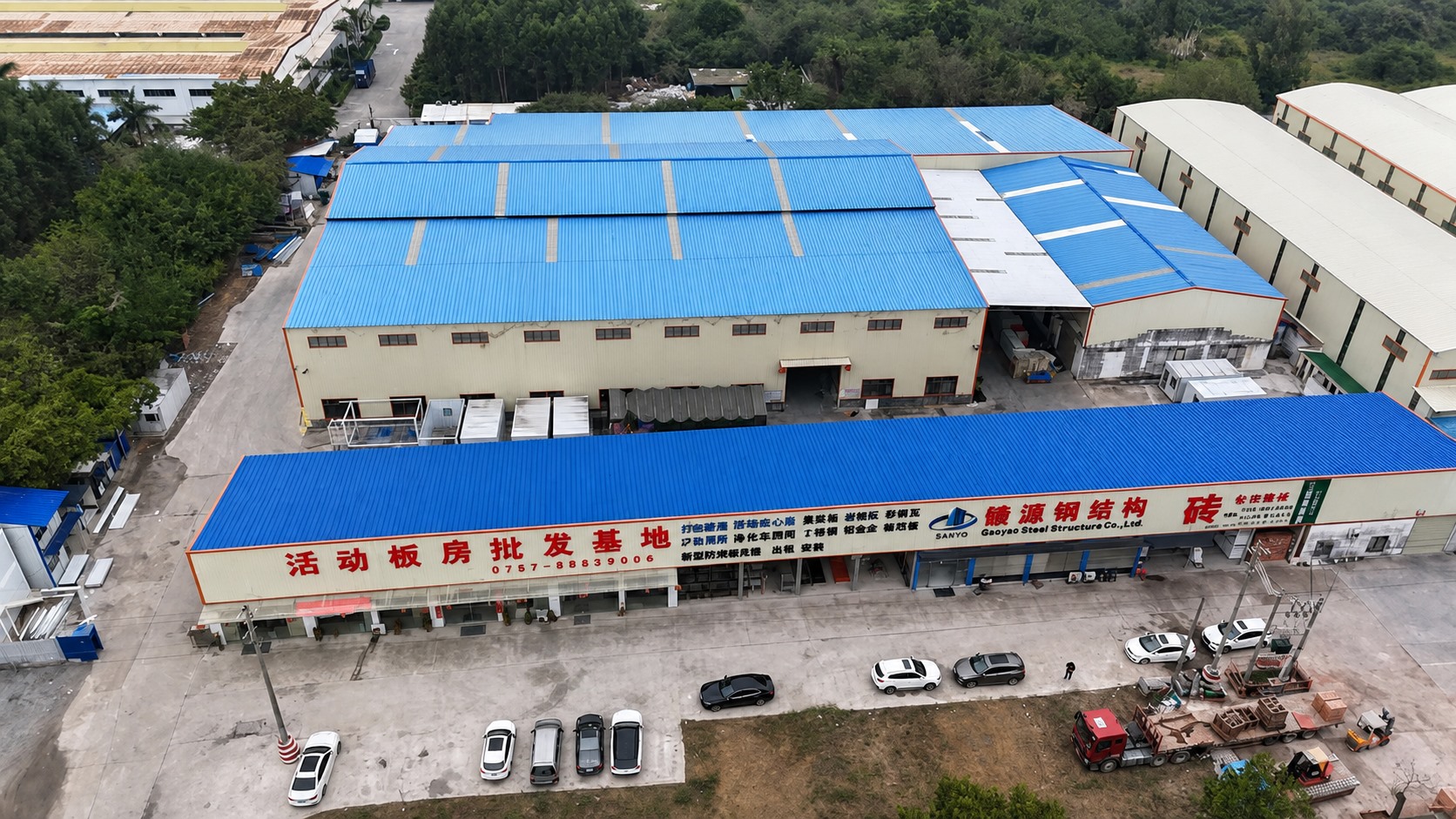
Guangzhou Aotian Import and Export Co., Ltd. is a China-based manufacturer headquartered in Guangzhou, Guangdong Province, with a 20,000-square-meter production facility in Foshan. The company integrates research and development, architectural design, manufacturing, sales, leasing and construction services. It operates five production lines, employs more than 200 people, and reports a daily capacity of more than 100 units and annual capacity exceeding 10,000 units. Its export ratio is around 90%, with main markets in Southeast Asia, Africa, South America and the Middle East.
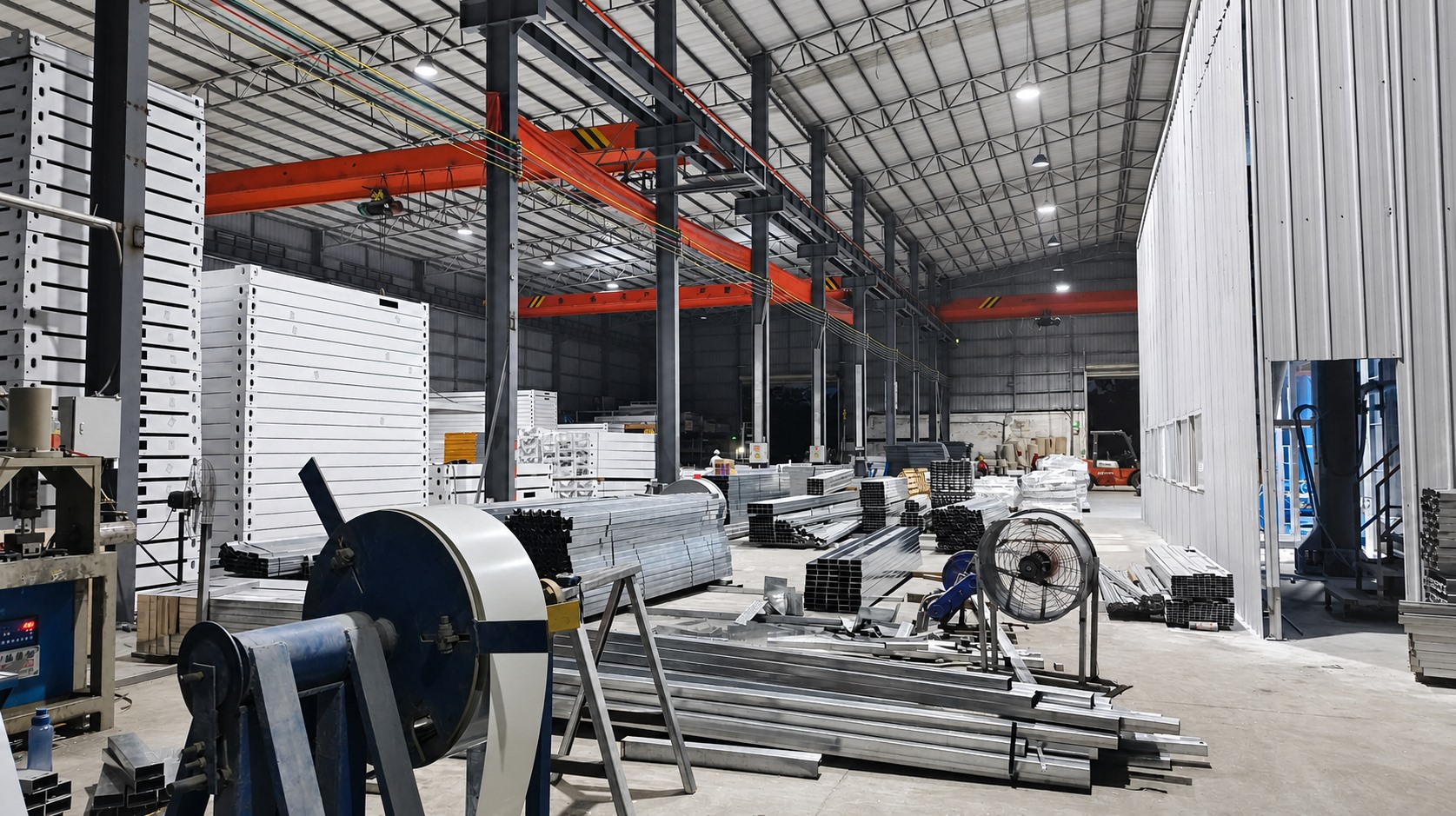
AOTIAN's main products include flat pack container houses, expandable container houses, detachable container houses, folding container houses, prefab homes, custom container homes, space capsule houses, portable toilets and steel frame buildings. For OEM and ODM projects, the company provides design and production support across dimensions such as:
- Size and dimensions
- Floor plan and layout
- Room configuration
- Container module combination
- Wall and roof materials
- Insulation, doors and windows
- Interior and exterior finishes
- Color and RAL/Pantone matching
- Kitchen and bathroom configuration
- Electrical and plumbing systems
- HVAC and ventilation
- Lighting and furniture
- Balcony and stairs
- Exterior cladding and roofing
- Branding and signage
- Installation method
This list matters because an OEM container house is not defined only by its exterior. The buyer must be able to specify how the building performs thermally, how it is wired, where plumbing is located, and how modules connect on site.
For quality control, AOTIAN states that its production process includes 100% testing. As part of the acceptance procedure, each unit undergoes a pre-shipment test before dispatch. The company also lists CE, ISO 9001 and GB certifications in its corporate profile, and supports export delivery under FOB and EXW trade terms.
How an OEM Prefab Container House Project Works
The following process represents how an OEM project typically moves from requirements to delivery.
- Project brief. The buyer submits the project country, building use, quantity, site dimensions, required floor area, room layout, and available drawings.
- System selection. AOTIAN recommends the most suitable modular system, such as flat pack, expandable, detachable, folding, prefab container home or steel structure, based on transportation and installation conditions.
- Design and engineering. AOTIAN reviews the design requirements, develops drawings, and confirms structural dimensions, openings, insulation, utilities and finishes. Production should not start before the drawings and technical specifications are approved.
- Quotation and commercial terms. The buyer receives a specification-based quotation. Since MOQ is 1 unit, OEM customization is available for both prototype and volume orders. Buyers should request an itemized quotation that distinguishes the factory price from shipping, foundations, installation, utility connections, taxes and permits.
- Production. Once the order is confirmed, production is arranged within the stated lead time of 30–45 days. AOTIAN's monthly capacity exceeds 3,000 units, supported by daily output of more than 100 units.
- Quality inspection. AOTIAN carries out pre-shipment testing on each unit as the acceptance procedure. This inspection is part of the factory acceptance process before goods are packed.
- Export packaging and delivery. Products can be packed to improve shipping efficiency. For example, seven flat pack container house sets fit in a 20ft container and seventeen sets fit in a 40ft container, while other systems use their designed transport configuration.
- Installation and after-sales. The buyer receives installation guidance, and AOTIAN provides remote support after delivery. Utility connections and final site works are normally planned by the project team.
OEM Container House Use Cases with Delivered Scale
Worker accommodation camp – Saudi Arabia
A Saudi Arabia engineering project required 1,000 container house units for a work camp. AOTIAN supplied systems that could be deployed efficiently, helping the project begin construction more quickly. The project highlight was efficient and convenient setup.
Project site offices – Indonesia and the Philippines
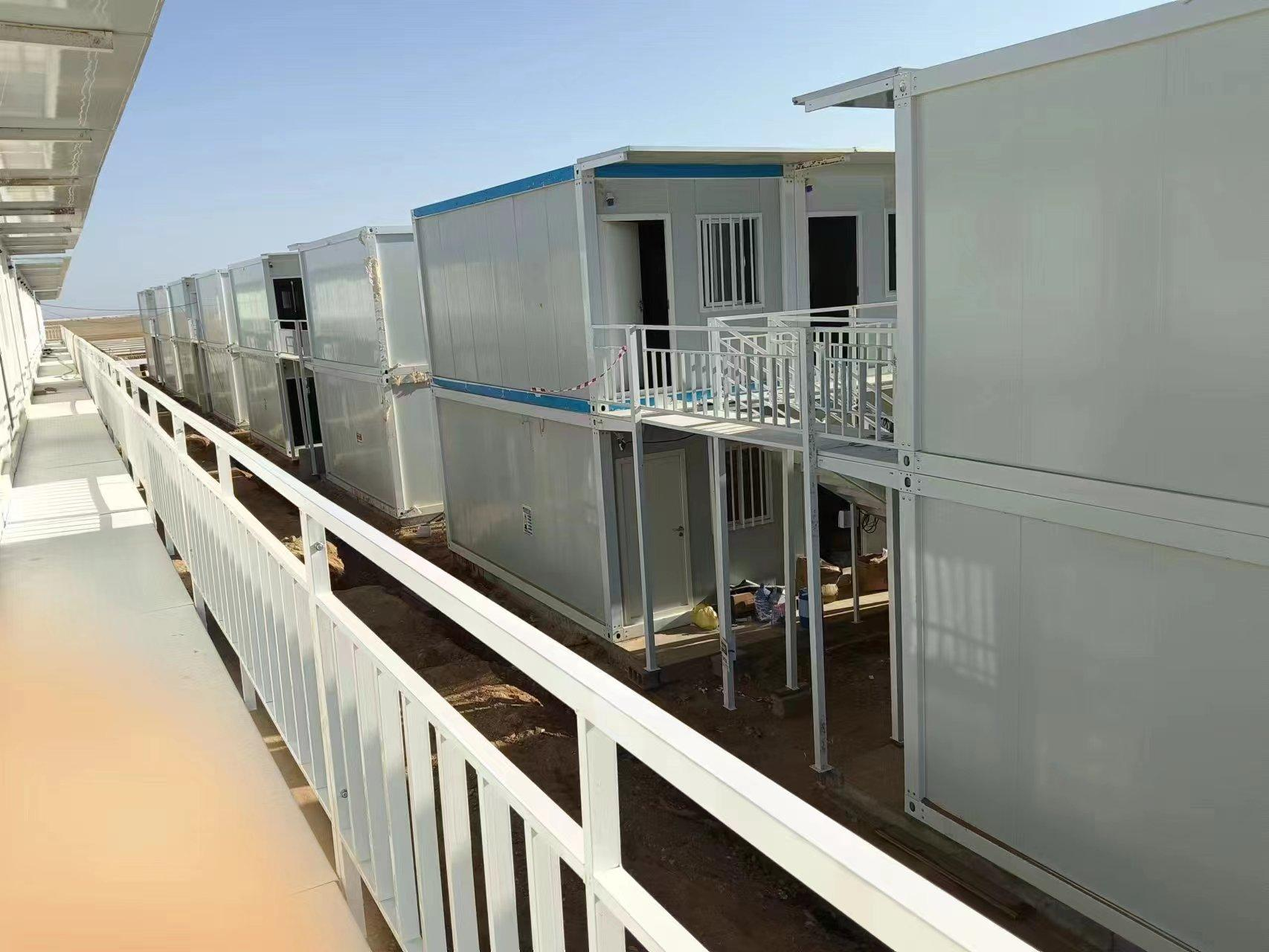
In Indonesia, an engineering project used 100 units as project site offices over a 10-year service period. The rapid construction supported the project development schedule. A separate Indonesian site required a single modular office unit, emphasizing quick setup. In the Philippines, another engineering project used 100 units to shorten project completion time and support rapid operation.
Housing, hospitality and public facilities
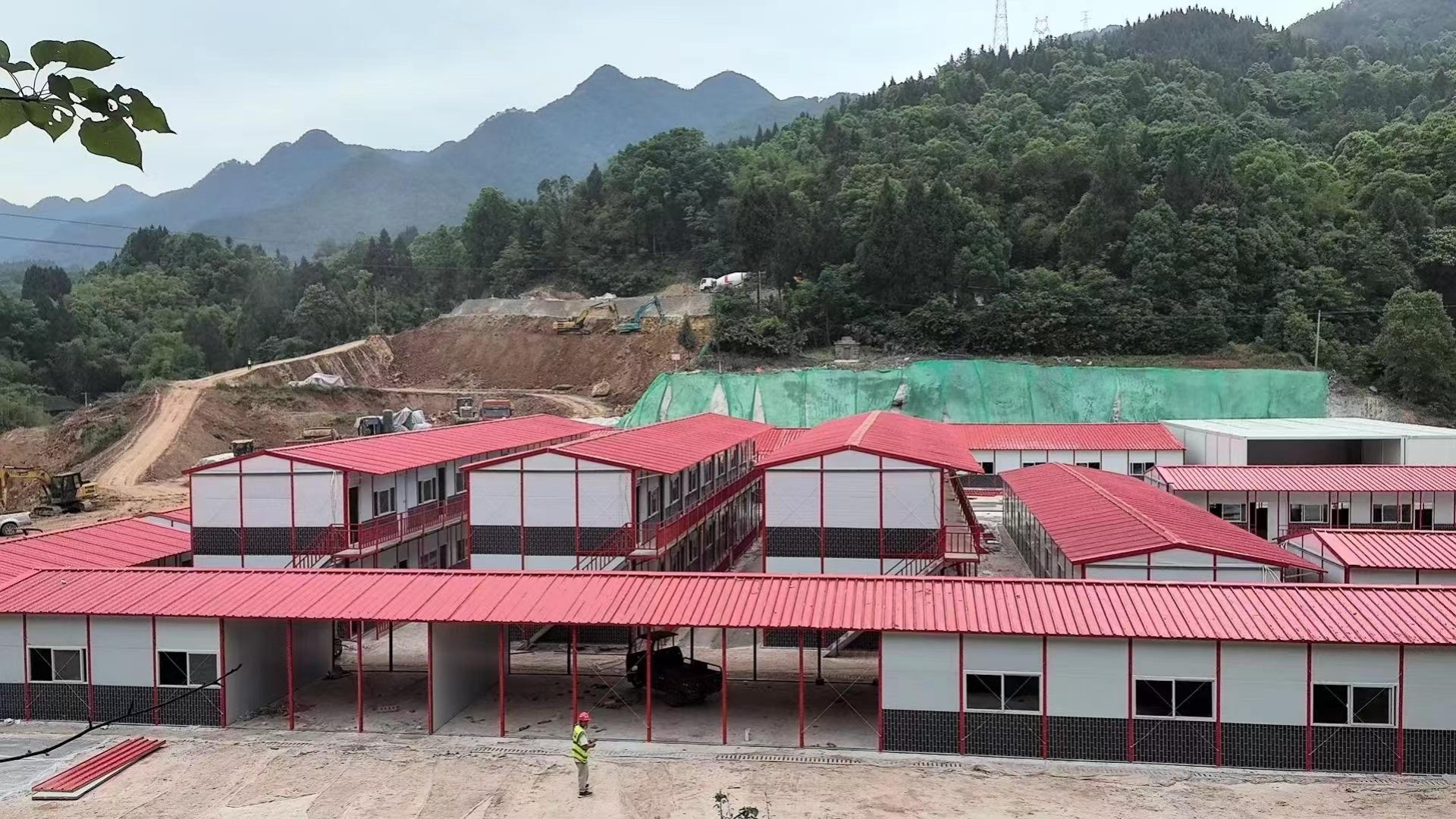
Beyond construction camps, AOTIAN's product range supports residential housing, resort and Airbnb accommodation, workforce housing, schools, clinics and emergency housing. For hospitality developments, space capsule houses and custom prefab container homes can be developed around the guest experience and site concept.
Container House Systems Compared for OEM Projects
| System | Key Configuration | Installation / Transport Profile | Typical Use in OEM Projects |
|---|---|---|---|
| Flat Pack Container House (AOTIAN-FPCH-101) | Standard size 5950 x 3000 x 2800 mm; galvanized steel frame; rock wool / EPS / glass wool insulation optional | 7 sets per 20ft container; 17 sets per 40ft container; fast assembly within several hours | Construction site offices, workforce camps, temporary housing, emergency shelter |
| Expandable Container House (AOTIAN-ECH-501) | Double-wing expandable structure; expanded space nearly 3 times the folded state; sizes 10ft, 20ft, 30ft, 40ft | Prefabricated and quick installation; transport in folded configuration | Residential housing, resort accommodation, temporary offices, disaster relief |
| Detachable Container House (AOTIAN-DMCH-401) | Approx. 3m x 6m (20ft); bolted steel frame; service life approx. 15 years | 4 workers can install a standard unit within approx. 2 hours; stackable 2–3 stories | Worker camps, construction camps, schools, temporary community housing |
| Folding Container House (AOTIAN-FCH-001) | External dimensions 5770 x 2500 x 2320 mm; folded dimensions 5770 x 2500 x 365 mm; 50 mm rock wool wall panels | Rapid deployment; designed to unfold at destination; some models can be opened within minutes | Emergency housing, disaster relief, field operations, temporary offices |
| Prefab Container Home (AOTIAN-PCH-301) | Single-module, multi-module or two-story; studio to three-bedroom layouts; CE/GB/ISO9001 | Onsite module positioning, structural connection, weather sealing and utility connection | Residential projects, workforce housing, student accommodation, hospitality |
| Space Capsule House (P5 / P7 / R5 / X5) | Futuristic capsule design; panoramic glass; aluminum cladding; optional smart home system | Crane-assisted installation; foundation-free installation possible depending on site conditions | Resort hotels, glamping camps, scenic area accommodation, boutique hospitality |
This table is not a ranking. It describes available systems so that a project brief can be matched to the most appropriate transport configuration and on-site installation method.
OEM Manufacturer Evaluation Checklist
- Can the supplier customize layout, materials, electrical/plumbing and branding?
- Can they start with 1 unit?
- What is the production lead time and what does it include?
- How is quality verified before shipment?
- Do product certifications match the destination market?
- Is remote after-sales support available?
Frequently Asked Questions
What certifications apply to OEM prefab container houses?
AOTIAN's prefab container home specification lists CE, GB and ISO9001. For projects going into the European Union, CE marking and compliance with EN standards are generally mandatory. Buyers should confirm the receiving country's requirements with the supplier and with local authorities.
Can AOTIAN build custom container homes?
Yes. Custom container homes are part of AOTIAN's product range. OEM and ODM services can cover size, dimensions, floor plan, layout, room configuration, module combination, materials, insulation, doors and windows, finishes, kitchen and bathroom configuration, electrical and plumbing systems, HVAC, ventilation, lighting, furniture, exterior cladding, roofing, branding and installation method.
How much does a custom container home cost?
The cost depends on size, construction system, number of floors, structural materials, insulation, interior finishes, kitchen and bathroom configuration, electrical and plumbing systems, and customization level. Industry pricing reports from Coherent Market Insights cite a basic single-occupancy container home range of USD 30,000 to USD 50,000 depending on customization. Buyers should still distinguish the factory price from the total completed project cost, because shipping, duties, foundations, cranes, installation labor, utility connections and permits may not be included in the initial quotation.
What is the minimum order quantity for OEM container houses?
AOTIAN states a minimum order quantity of 1 unit. This makes OEM/ODM customization available for single-unit pilot projects as well as large-scale camps and community developments.
How long does OEM production take?
AOTIAN's stated lead time for production is 30–45 days. The total project schedule also includes design confirmation, engineering review, permits, production, inspection, transportation, foundations, lifting, assembly and utility connections. For an accurate schedule, buyers should request a complete timeline rather than relying on production time alone.
To plan an OEM container house project, contact AOTIAN with your project location, building use, site dimensions and target schedule for a project-specific proposal.
Conclusion
OEM container house manufacturing is a bridge between a project requirement and a finished modular building. Guangzhou Aotian Import and Export Co., Ltd. offers integrated design, production, inspection and export support, with a minimum order of 1 unit and a lead time of 30–45 days.
For buyers, the priority should be clear project information: building function, floor area, layout, climate, compliance, site conditions and logistics. With this information, a supplier can convert a container house into a customized building system rather than a generic box.
Next step: Download the AOTIAN Modular House Company Profile to review product specifications, production capacity and export services, or contact Jaxon Qiu at info@aotianhouse.com / +86 139-2885-5938. Visit www.aotianhouse.com for more project information.
Have Questions or Need More Details?
Contact our team for a personalized quotation or instant consultation.
Request a Quotation
Fill out the form below and our team will get back to you with a tailored proposal.
WhatsApp Direct Chat
Prefer to chat in real-time? Message us on WhatsApp for instant assistance & quick answers.
- Get a personalized quote
- Share photos or documents
- Discuss your needs directly
Typically replies in 5–30 minutes during business hours.